EN
 SP
 FR

- Home
- About Us
- Products
- Service
- Project
- News
- Contact Us
Pulished on Sep. 19, 2023
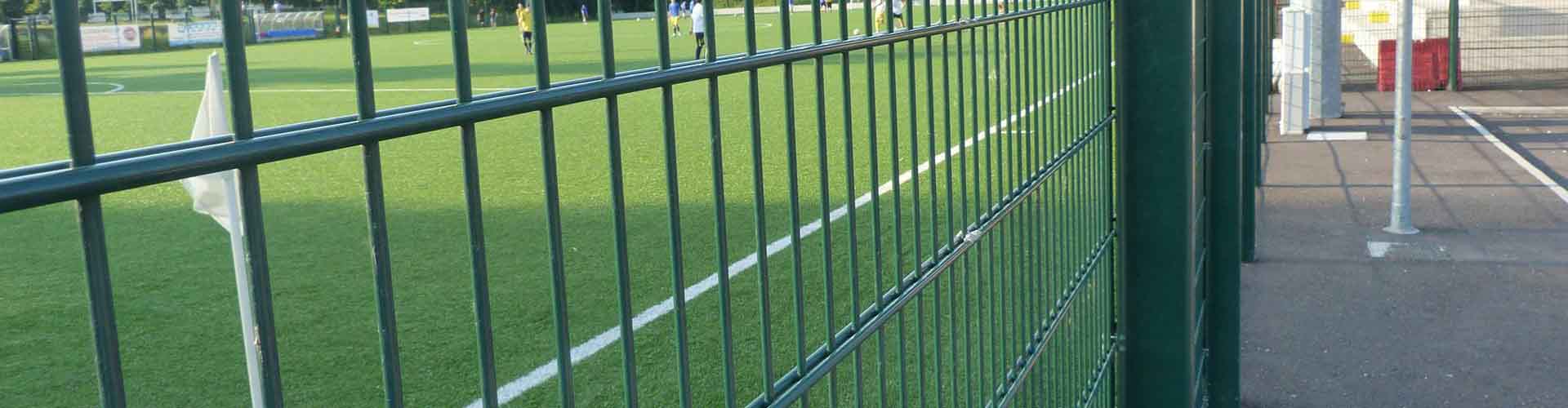
Sustainable building material: As a sustainable building material, Steel Picket Fence plays an important role in urban renewal projects. Steel Picket Fences have a longer lifespan and greater durability than traditional wood or concrete fences. It is not susceptible to decay, corrosion or breakage, allowing it to maintain good appearance and functionality for a longer period of time. This durability reduces the need for maintenance and replacement, reducing resource consumption and waste generation, thus promoting the sustainability of urban renewal projects.

Safety and Protection: Safety and protection are crucial considerations in urban renewal projects. Steel Picket Fence provides a reliable security barrier that effectively limits unauthorized entry and behavior. Its peak design and sturdy structure can prevent people from crossing the fence and play a certain protective role. Additionally, Steel Picket Fences can be customized in height and spacing as needed to meet specific safety requirements. By providing safety and protection, Steel Picket Fence helps create safe, livable urban environments.

Aesthetics and Adaptability: Urban renewal projects often require fencing to blend in with the surrounding environment and provide an aesthetically pleasing appearance. Steel Picket Fence has a clean and modern look that blends in with a variety of urban styles and architectural styles. Its design flexibility allows it to adapt to different environments and uses, whether it is a city park, a commercial district or a residential community. In addition, the Steel Picket Fence can be painted and surface treated to add color and texture options to further enhance its beauty and adaptability.
Recyclability and recyclability: As a metal material, Steel Picket Fence has good recyclability and recyclability. After the urban renewal project is completed or the fence life ends, the Steel Picket Fence can be recycled and reused, reducing resource consumption and waste. By recycling discarded fencing materials and reusing them, you can reduce the need for new materials, reduce environmental impact, and promote the development of a circular economy.
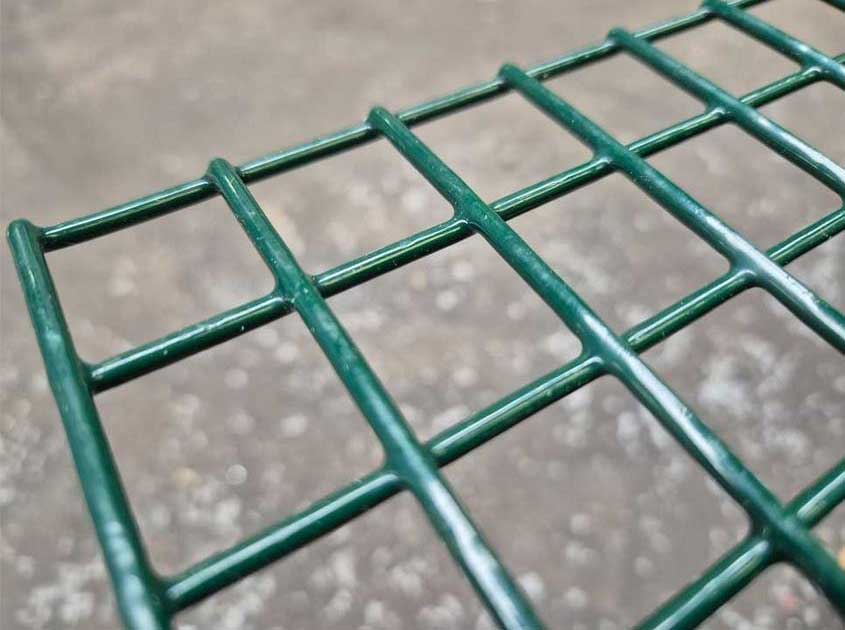
How to Select the Right Wire Diameter for Welded Wire Fence? A Practical Buyer’s Guide
Pulished on Nov. 18, 2026
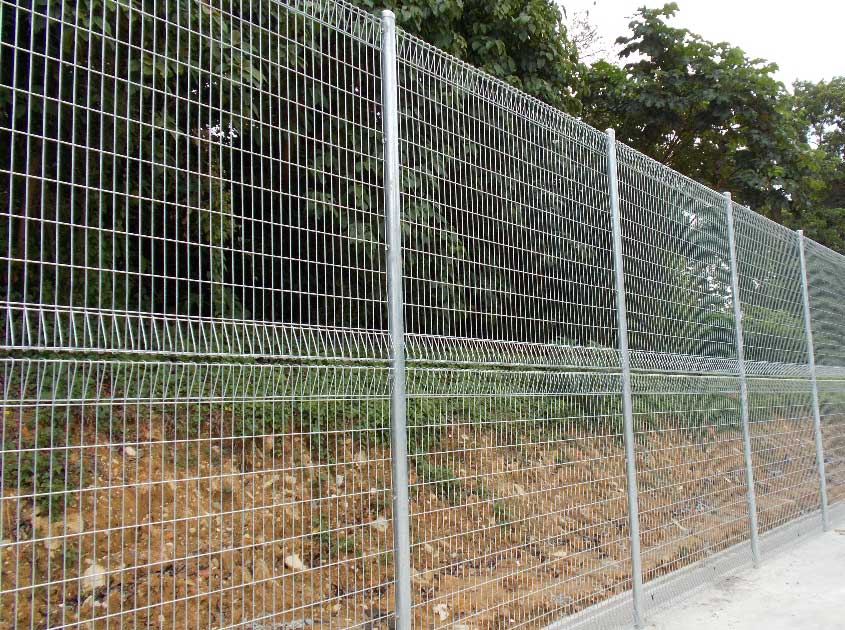
What Mesh Size Is Best for Welded Wire Fence? A Practical Selection Guide
Pulished on Nov. 09, 2026
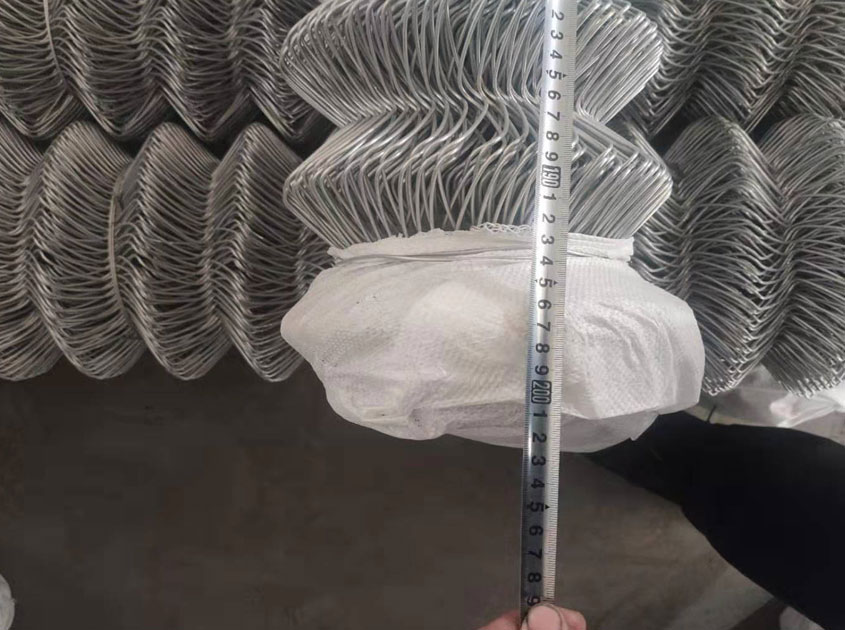
How Much Does Chain Link Fence Cost? A Complete Guide to Material Prices, Shipping and Project Costs
Pulished on Oct. 27, 2026
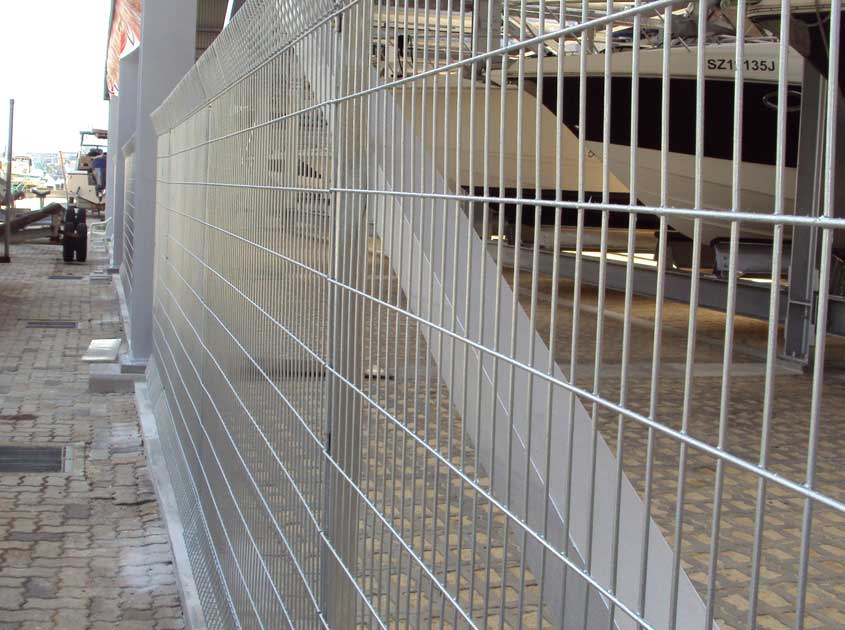
How to Install a Welded Wire Fence: A Step-by-Step Guide for Contractors
Pulished on Oct. 23, 2026
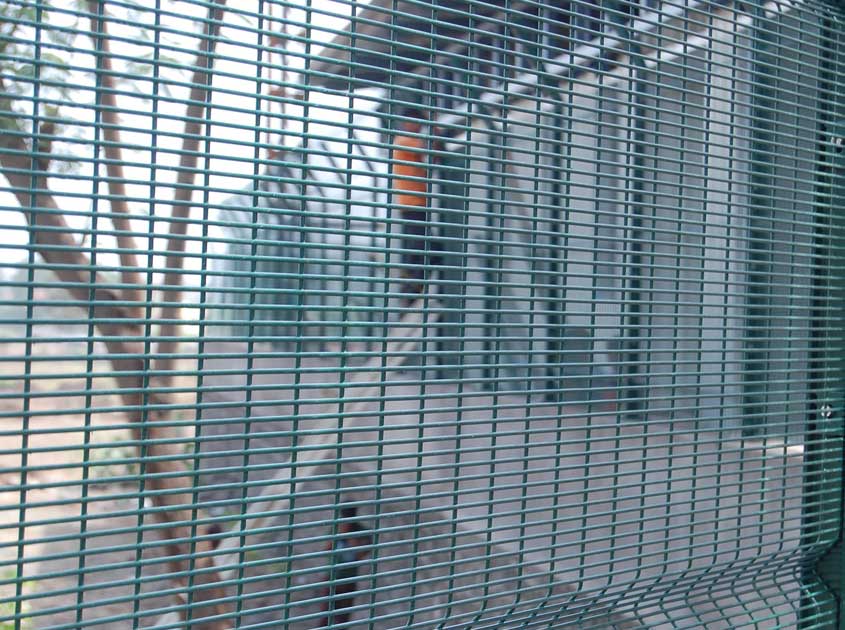
358 Fence vs Welded Wire Fence: Which Is Better for Your Project?
Pulished on Oct. 20, 2026
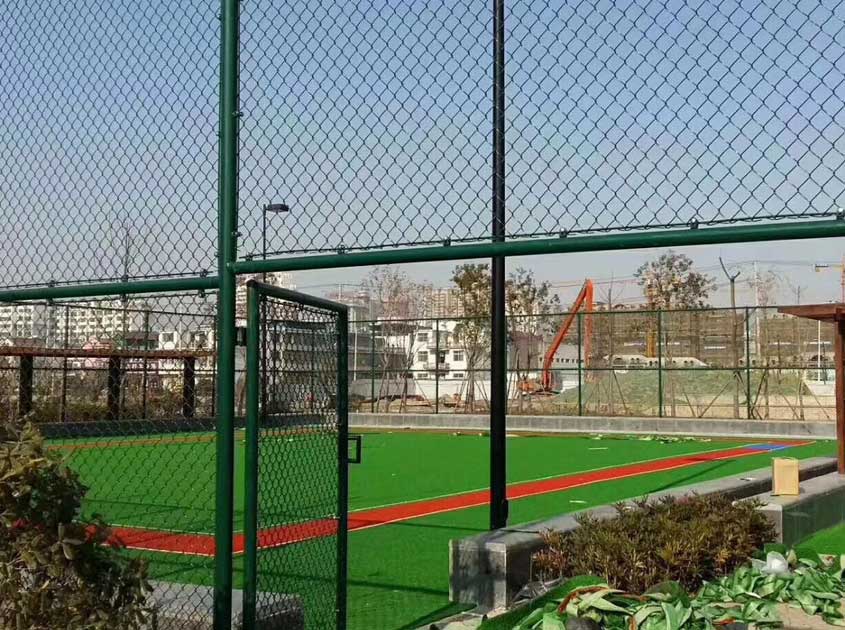
What Are the Advantages of Chain Link Fence? 8 Benefits for Commercial and Industrial Projects
Pulished on Oct. 16, 2026
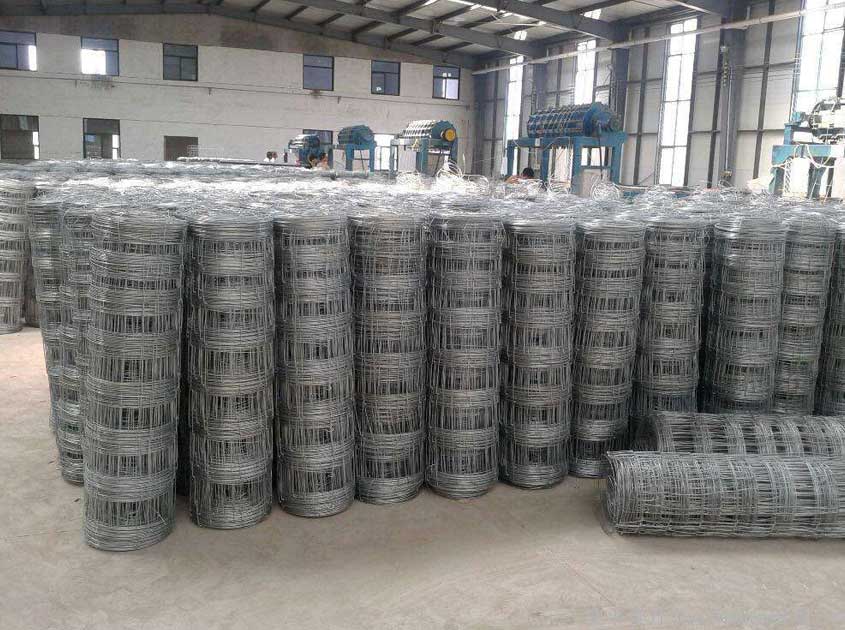
How to Choose Farm Fence for Cattle and Horses: Wire, Height and Design Guide
Pulished on Sep. 23, 2026
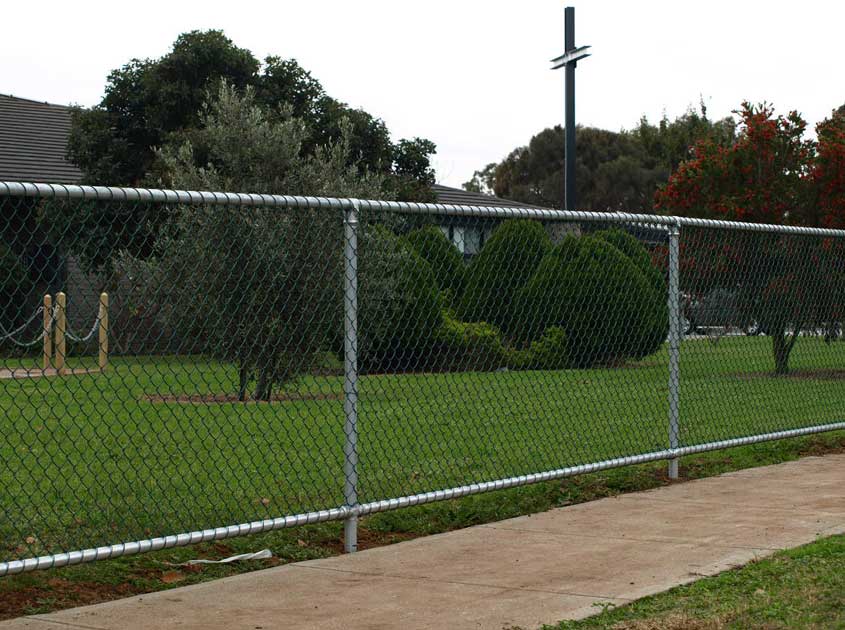
How Is Chain Link Fence Made? Manufacturing Process and Components
Pulished on Sep. 18, 2026
How to Select the Right Wire Diameter for Welded Wire Fence? A Practical Buyer’s Guide
Pulished on Nov. 18, 2026
What Mesh Size Is Best for Welded Wire Fence? A Practical Selection Guide
Pulished on Nov. 09, 2026
How Much Does Chain Link Fence Cost? A Complete Guide to Material Prices, Shipping and Project Costs
Pulished on Oct. 27, 2026
How to Install a Welded Wire Fence: A Step-by-Step Guide for Contractors
Pulished on Oct. 23, 2026
358 Fence vs Welded Wire Fence: Which Is Better for Your Project?
Pulished on Oct. 20, 2026
What Are the Advantages of Chain Link Fence? 8 Benefits for Commercial and Industrial Projects
Pulished on Oct. 16, 2026
How to Choose Farm Fence for Cattle and Horses: Wire, Height and Design Guide
Pulished on Sep. 23, 2026
How Is Chain Link Fence Made? Manufacturing Process and Components
Pulished on Sep. 18, 2026